HeyGen vs Arcads in 2026, priced per short ad

HeyGen is the better buy for short or occasional ads because it bills the seconds you generate and lets unused credits roll over, while Arcads fits teams that fill minute-long actor ads every month.
Search "heygen vs arcads" and the pages we read on 3 October 2026 come from other AI video tools: shhots, ugcgen, admakeai, playcut and a few more, most of them closing with a pitch for their own product. They argue about which AI actor looks more human, and they price a 30 second ad in dollars.
Both tools sell AI-generated User Generated Content: short vertical videos in which an AI presenter talks to the camera the way a customer would. We build the same kind of product, so read this page knowing where it comes from. Our price is on it, stated plainly, and so is the case where each of them is the better buy.
Our opinion, after reading both companies' own pages and terms: realism cannot be settled on a comparison page, and the billing unit picks the cheaper tool before realism even comes up. HeyGen counts the seconds you generate, Arcads counts started minutes, and most paid social ads run well under a minute.
Which is the better buy for short ads, HeyGen or Arcads?
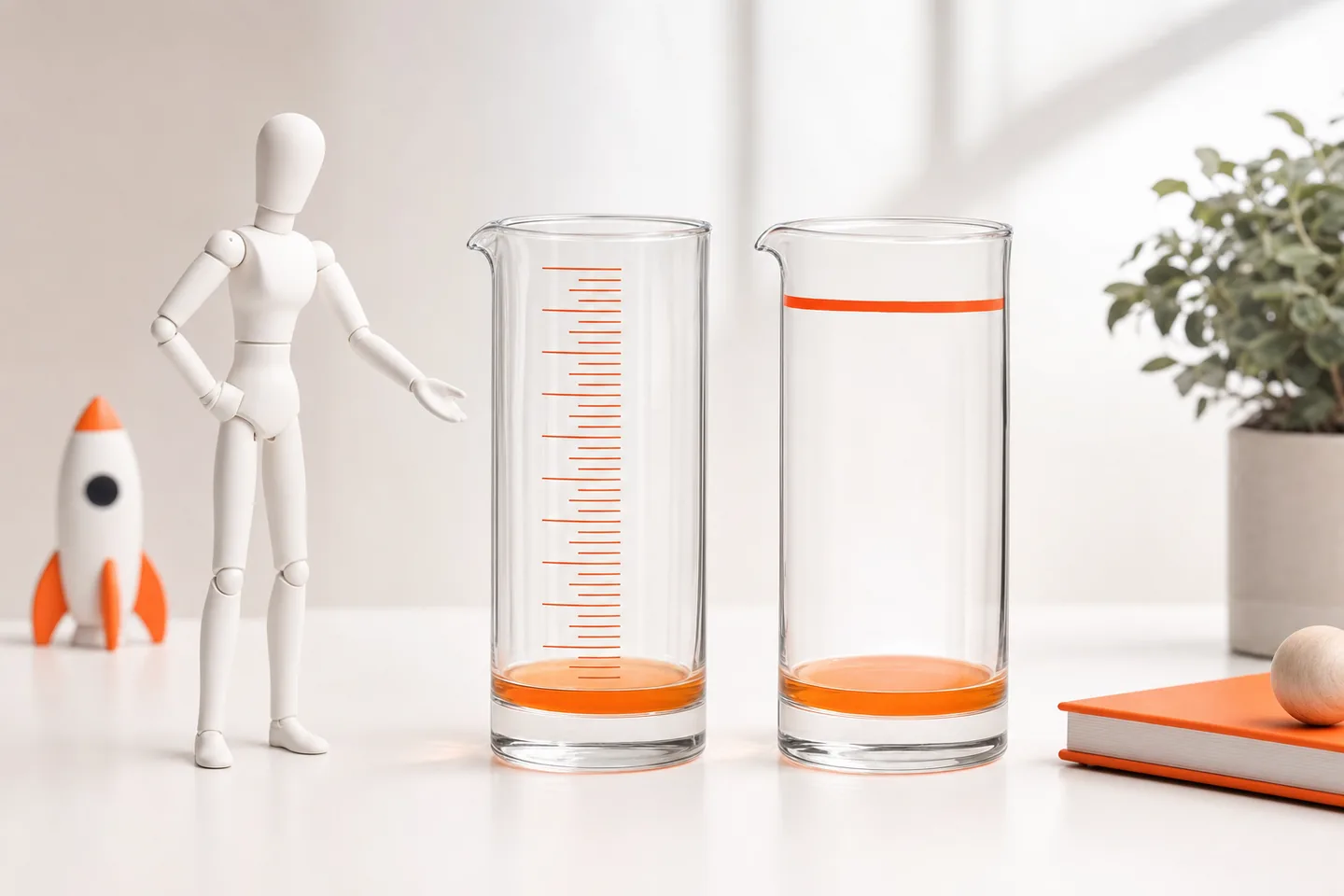
HeyGen is the better buy for most short ads, and Arcads is the better buy for a team that fills minute-long actor ads every month. The gap comes from how each one bills, more than from how each one looks.
HeyGen bills Avatar IV video by the actual seconds of avatar generation, according to its help center, read on 3 October 2026. Arcads bills a talking actor at 800 credits per started minute, as wireflow.ai and shhots.ai reported and as we laid out in our Arcads pricing breakdown on 22 September. A 15 second clip on HeyGen uses a quarter of a minute's credits. On Arcads it uses the whole minute.
The ranking pages split on the rest. ugcgen.ai, writing on 27 June 2026, gives Arcads the edge for casual, ad-style actors, and shhots.ai, on 9 August, calls HeyGen the cheaper and more transparent of the two. Both readings can hold at once, which is why the job you hire the tool for matters more than either verdict.
What does each tool actually sell?
HeyGen sells an avatar video platform for presenters, translation and training, and Arcads sells a library of AI actors built for social ads. They overlap on one job, the talking-head ad, and differ everywhere else.
HeyGen's pricing page, read on 3 October 2026, lists more than 700 stock avatars on paid plans, custom Avatar IV avatars made from your own photo or footage, and videos up to 30 minutes on Creator and Pro. Its product pages also sell product placement: you upload one product photo and the avatar appears to hold it.
The Arcads homepage, read the same day, advertises more than 1,000 AI actors, translation into more than 30 languages, and actors who hold your product, show your app or wear your clothes. Arcads publishes no prices: arcads.ai/pricing answered 404 when we checked on 22 September, so every Arcads figure on this page is second-hand.
For a ten-minute onboarding talk, Arcads is the wrong tool. For a 20 second ad on TikTok or Reels, both are in the running, and the rest of this page is about that case.
Hey there :) clicking this would help us so much!
What does a 15 second ad cost on each?
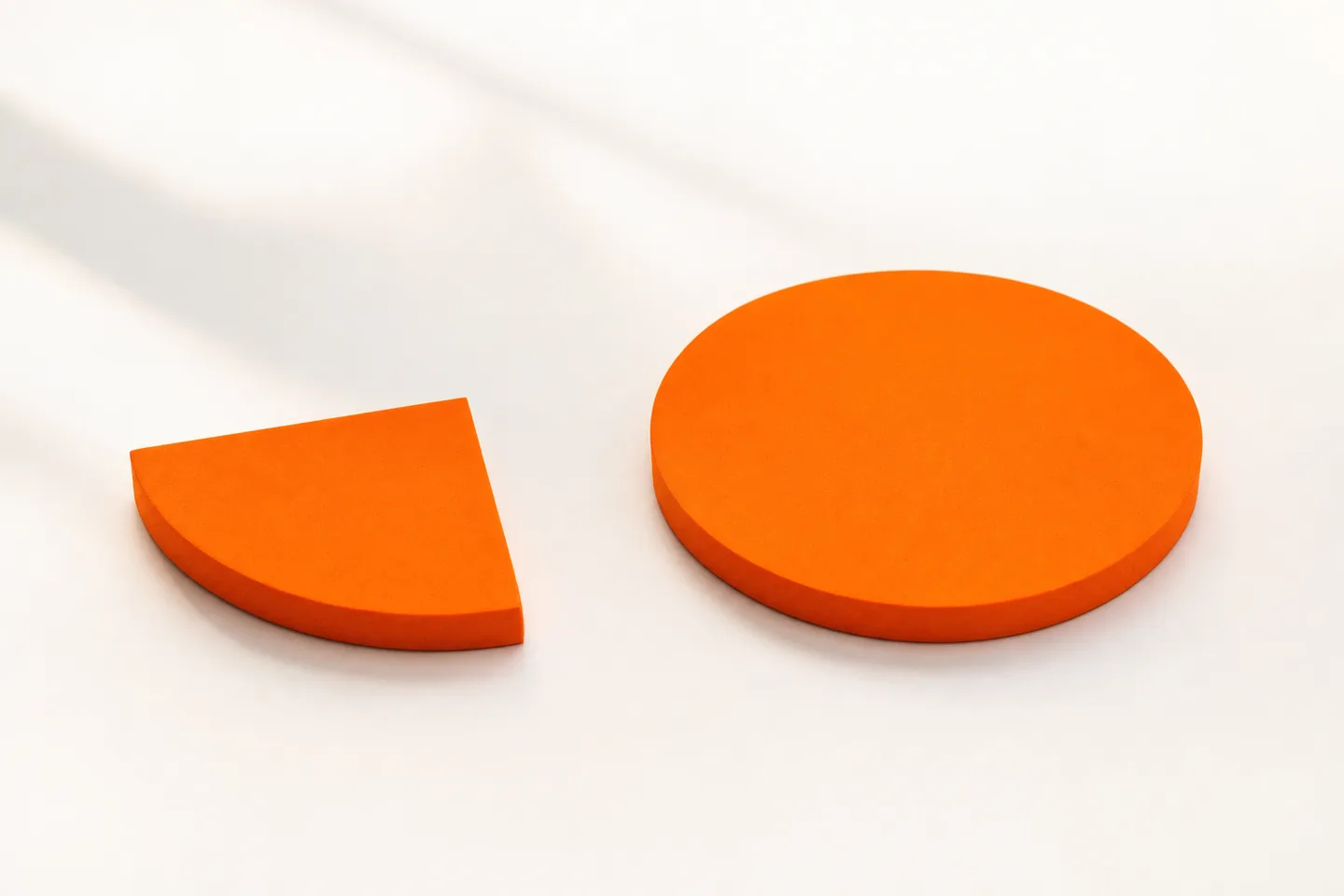
On HeyGen a 15 second Avatar IV ad uses about 8 credits, so the $29 Creator plan covers roughly 75 of them a month. On Arcads the same ad costs about $11, the price of a full minute.
HeyGen's help center lists Avatar IV at 16 credits a minute for a photo look and 31 for a video look, and the newer Avatar V at 48. Creator is $29 a month for 600 credits, and Pro starts at $49 for 1,000. We counted with the video look, the expensive one, so the photo look halves our numbers.
Arcads Starter is $110 a month for 8,000 credits. Those are list prices reported by wireflow.ai on 14 July and shhots.ai on 9 August, since Arcads shows them only inside the app. At 800 credits per started minute per actor, Starter buys ten single-actor ads a month, whether each runs 15 seconds or 60.
Now take the smallest honest test of an opening line: five 15 second hook variants. With Avatar IV video looks that is about 39 HeyGen credits, a fifteenth of the Creator month. On Arcads it is 4,000 credits, half of Starter, and captions add 80 credits per video on the plans that offer them.
Both sums assume one presenter and no extras. HeyGen charges more for custom motion prompts, and Arcads charges per actor, so a two-person dialogue on Arcads doubles the minute. For a buyer who tests short hooks, the per-second unit wins by a wide margin!
What happens to the credits you do not use?

On HeyGen they roll over for one more billing cycle, and on Arcads they are lost when the period ends. For a team that ships unevenly, that rule matters as much as the price per ad.
HeyGen's help center, read on 3 October 2026, says unused monthly credits roll over for one additional cycle, annual credits accumulate until renewal, and credits are spent in order of expiration. Arcads' terms in force since 21 August 2026 say unused credits "will be lost" at the end of the period, with no carry-forward and no refund. The same terms renew the plan automatically unless you cancel at least 72 hours before the period ends.
Picture a month with one launch and three quiet weeks. On HeyGen the credits from the quiet weeks wait for next month. On Arcads the subscription is spent whether or not you filled it, so a quiet month raises your real cost per ad. Neither company hides its rule, and yet none of the comparison tables we read prints either one.
Which one looks more like a real customer?

We have not measured either, and no page we read measured it in a way you could repeat. The ranking pages lean toward Arcads for casual, ad-style delivery and toward HeyGen for polished presenters.
Realism is the one claim you can test yourself before paying a monthly price. HeyGen's plan without payment gives up to three watermarked videos a month, depending on region, each up to one minute. The Arcads homepage advertised a trial on 3 October 2026, next to a seven-day promotion on one video model, and its terms describe promotional credits that expire and cover only the models an offer names.
So write one 15 second script, render it on both, and show the two clips to three people who have never seen either tool. That answers the question for your product, in your language, with your words. A verdict on a comparison page answers it for somebody else's ad.
A presenter holding the product reads more like a customer than one in front of a plain wall, and both tools offer it, so ask for it in the trial.
What if you have a product page and no script?

Then the script is the hard part, and HeyGen and Arcads are both built around performing a script you bring. The tool to compare against is a URL-to-video tool.
Go Rocket, which we build, does only this. You paste the page, we write the script from it, and a photoreal AI presenter delivers it with the product in hand, in any of 21 languages, about 15 minutes after checkout. The first video is $8, a single video after that is $12, and the plan is $79 a month for 10 videos, as our published price list stated on 3 October 2026. Before you pay you see a blurred sample in your brand colour, never your own video.
We bill by the 15 seconds because we generate in 15 second segments, one take each, so a 15 second ad is one unit of work and a 60 second ad is four. We also chose to offer no actor library and no model picker. A founder with one page should not spend an afternoon casting, so the presenter is matched to the page for you. Casting a thousand faces and tuning the delivery line by line is what Arcads and HeyGen are for, and we left that job to them on purpose.
If your page is all you have, paste it on our homepage and see what the sample looks like in your colours.
When is a human creator better than both?

When the ad works because a real person used the product and can say so. No AI presenter on HeyGen, on Arcads or on our own platform can truthfully claim three months of use or a result on their own skin.
We enforce that line in code. The validator that checks every script we generate rejects invented usage history and measurable personal results, because an AI presenter saying it lost four kilos is a fabricated testimonial. The US Federal Trade Commission's endorsement guides treat it the same way, and our post on whether UGC ads are legal covers the disclosure rules for AI presenters.
Paying for the real thing means rates in the hundreds. Most working creators charge $150 to $300 for one vertical video, and paid usage rights often cost as much again, which is how a finished ad reaches $500. Our UGC rates guide breaks that number down. For skincare, supplements and fitness, where the viewer is buying a before and after, that money is well spent!
How do you choose between HeyGen and Arcads for your next month of ads?

Count the ads you will make next month and how long each runs, then price that count on both plans. That one sum settles most decisions before any feature table does.
Then the rule of three. The performance team that ships many minute-long, single-actor ads every month and spends its whole allowance should buy Arcads, since its per-minute unit fits that work. The marketer who makes a handful of short ads, or whose lengths change from week to week, should start with HeyGen, whose per-second billing and rollover forgive an uneven month. The software founder with one product page and no script should start with Go Rocket.
For the wider field, our Arcads alternatives guide sorts the other tools by what you walk in with, and our guide to AI UGC covers what the research says about generated ads. Whichever you pick, run the same 15 second script through its trial first. The clip will tell you more than this page can!
FAQ
Yes: on monthly plans unused credits roll over for one more billing cycle, and on annual plans they accumulate until the renewal date, according to HeyGen's help center read on 3 October 2026. Arcads credits, by contrast, are lost at the end of each period under its terms in force since 21 August 2026.
For short ads made in small numbers it usually is, because Avatar IV bills only the seconds generated and the $29 Creator plan's 600 credits cover dozens of 15 second clips. If you need many minute-long actor ads every month, price HeyGen's Pro tiers against Arcads before deciding.
Yes, HeyGen sells UGC-style ads made with its Avatar IV presenters, and its product placement tool can make an avatar appear to hold your product from one product photo. Its Avatar IV guide asks you to write the script or upload an audio file yourself.
Yes, HeyGen's AI product placement tool takes one product photo and places the product into a generated scene with matched light and scale, and can combine it with a presenter. Arcads offers the same idea through AI actors who hold your product, show your app or wear your clothes.
Creatify fits short scripted ads billed by the 15 seconds from $39 a month, HeyGen fits short or uneven volumes and longer talks from $29, and Arcads fits many minute-long actor ads from $110. Prices were read between 22 September and 3 October 2026, Arcads' from the tool pages that report it.